


We are reporting on our team's work for 2025. The document includes key results from completed projects, outreach statistics, and a financial report with an expense breakdown.
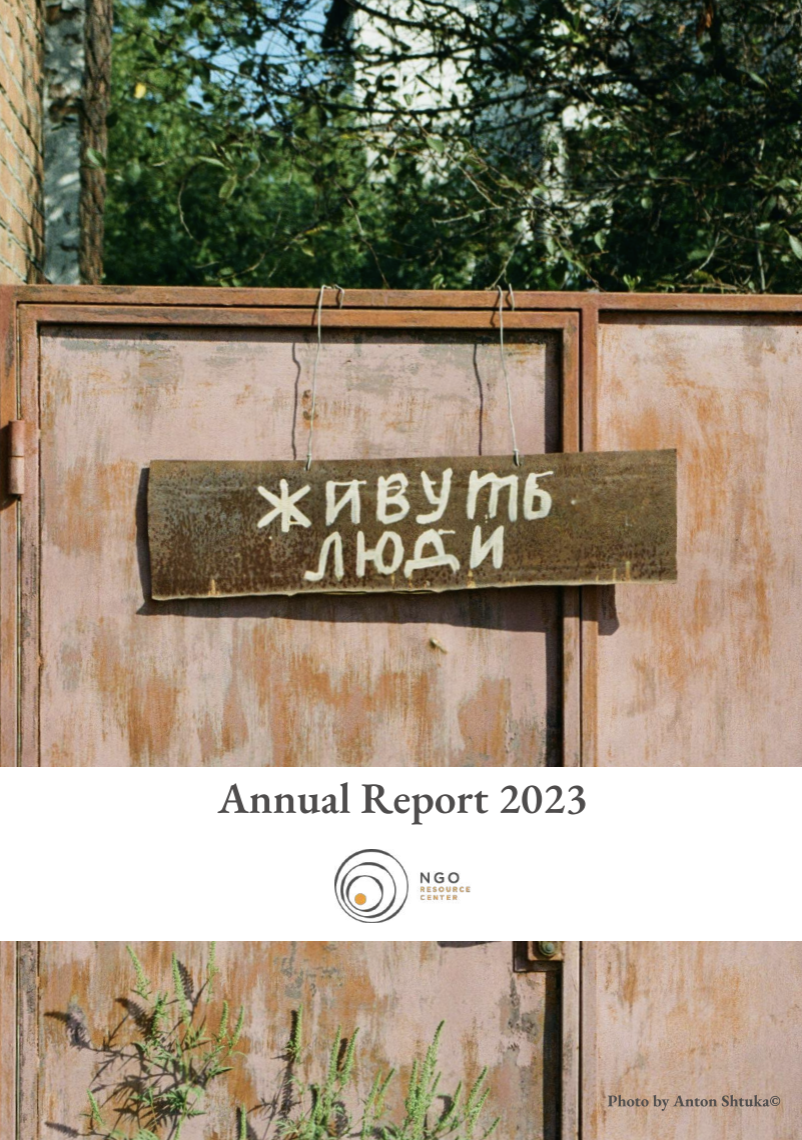
We are presenting a report on our team’s work for 2023. The document summarises the key outcomes of the projects we have carried out, our reach statistics, and a financial report detailing our expenditure
We are presenting a report on our team’s work for 2024. The document summarises the key outcomes of the projects we have carried out, our reach statistics, and a financial report detailing our expenditure

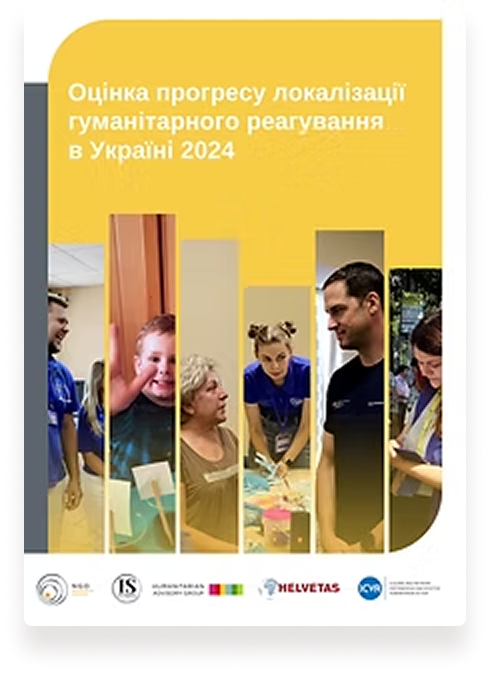
Each year, this initiative tracks how localization in Ukraine is moving from declarations to real action, recording progress, gaps, and opportunities for deeper change in the humanitarian system. The study offers a comparative analysis of seven domains of localization based on key indicators that form the evidence base for assessing dynamics. In 2025, it covered a survey of 318 representatives of national and international NGOs, 20 in-depth interviews, and an analysis of strategic and policy documents.
The strategy aims to highlight and guide NGORC’s actions and initiatives within the broader humanitarian system, promoting a more localized humanitarian response. This is crucial for addressing future challenges and maintaining focus on NGORC’s approach.
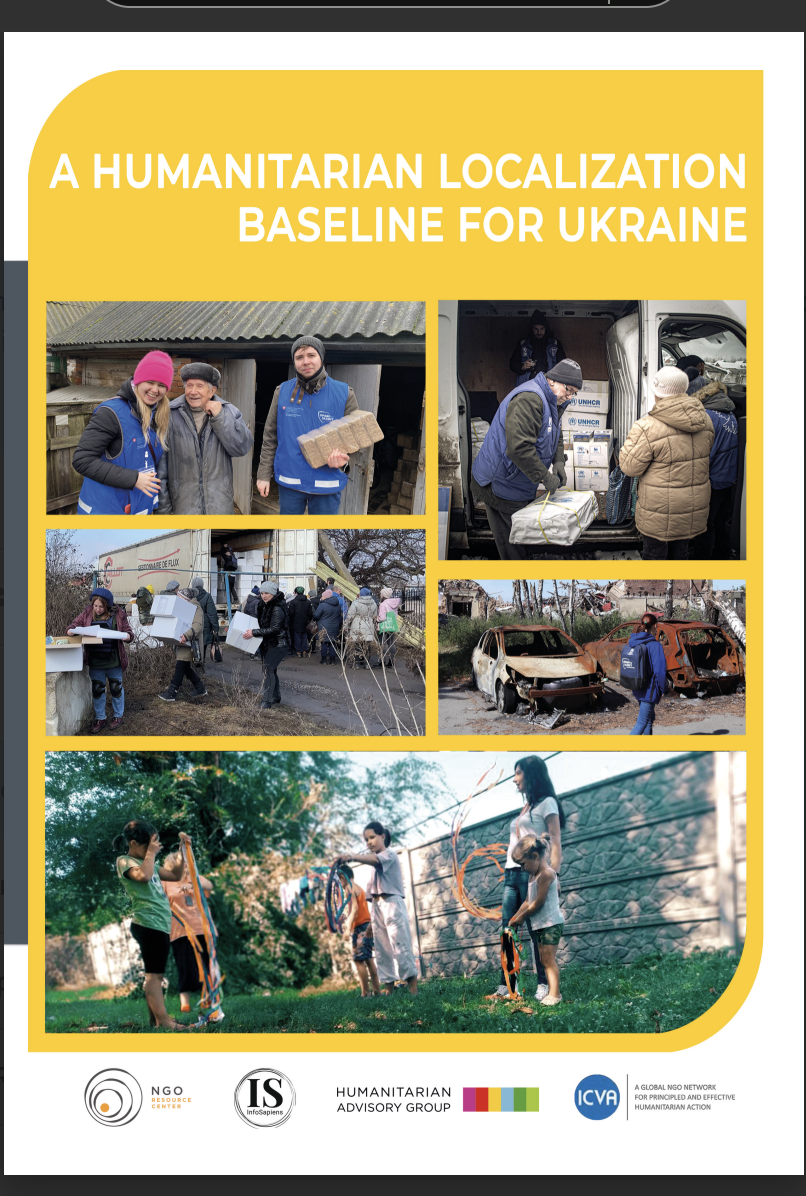
The main objective of this initiative is to provide a baseline assessment and benchmarking of localization in Ukraine, recording results against key indicators that can be used to build an evidence base that will enable stakeholders to assess and track progress in the current humanitarian response.
The main objective of this initiative is to provide a baseline assessment and benchmarking of localization in Ukraine, recording results against key indicators that can be used to build an evidence base that will enable stakeholders to assess and track progress in the current humanitarian response.